


Free initial advice
Food Poisoning Claim Compensation Calculator
If you've been hurt, our trusted solicitors can help
No upfront fees. No obligation. A specialist will review your enquiry and come back to you.
Trusted by injured people across the UK


Free initial advice
If you've been hurt, our trusted solicitors can help
No upfront fees. No obligation. A specialist will review your enquiry and come back to you.
Trusted by injured people across the UK
Last Updated On 16th March 2026. Food poisoning compensation claims are legal actions brought by individuals who have been harmed by consuming contaminated or unsafe food. Whether you became ill after eating at a restaurant, takeaway, or supermarket, you may be able to make a food poisoning claim if you can prove that the food you ate was defective and the source of your illness. In many cases, food can become defective due to a failure to follow hygiene standards, improper storage temperatures, or the presence of foreign objects such as glass.
Please read on to see how we can help with your food poisoning compensation claim. Or, access your free claim eligibility check right now:

 4.8
4.8Knowing the ‘average compensation’ amount as claims always vary. Professional advice from accident claim solicitors is the best way to obtain an accurate idea of what might be owed.
Successful food poisoning compensation claims may result in two types of awards called general and special damages. General damages apply a monetary value to the physical pain experienced. Also, amounts can reflect the long-term damage caused as well as the psychiatric harm the person suffered as a result of the food poisoning. In severe cases, this could be as significant as post-traumatic stress disorder (PTSD).
Those responsible for working out compensation amounts may refer to medical evidence and publications like the Judicial College Guidelines (JCG). This is a publication that provides suggested award bracket amounts for various types and severities of injury.
The table below illustrates extracts from the JC Guidelines. However, we emphasise that the amounts are guides only and the first entry is not taken from the JCG:
| Injury | Severity | Compensation Guideline | Notes |
|---|---|---|---|
| Cases of more than one serious injury and Special Damages award. | Serious | Up to £1 million plus | Awards of this size reflect multiple forms of serious injury and Special Damages for damaged employment prospects, care costs and medical expenses. |
| Bowel | (a) Double incontinence | Up to £224,790 | Cases where both bowel and bladder function are completely lost, as well as other medical complications. |
| (b) Total function loss | Up to £183,190 | Where the bowel has lost natural function and depending on age, a colostomy may be required. | |
| (c) Persisting issues | In the region of £97,530 | Instances where even after surgery, passive incontinence and faecal urgency persists. | |
| (d) Severe | £54,420 up to £85,100 | The type of abdominal injury that impairs function and may require temporary colostomy use. | |
| Digestive System | (b) Illness/Non-traumatic injury (i) | £46,900 up to £64,070 | Severe forms of toxicosis that cause pain, vomiting, diarrhoea and fever that is bad enough to require a hospital stay. |
| (b) Serious (ii) | £11,640 up to £23,430 | Still a serious form of food poisoning with symptoms like those above but short-lived and diminishing over a 4 week period leaving some disturbed function. | |
| (c) Significant (iii) | £4,820 up to £11,640 | Food poisoning that caused cramps, fatigue, altered bowel function and may require a short hospital stay. | |
| Varying degrees (iv) | £1,110 up to £4,820 | Varying degrees of cramps, diarrhoea and disabling pain for a matter of weeks. | |
| Psychological Harm | (b) Moderately severe | £23,270 up to £66,920 | A significant and long-standing degree of psychological harm that has a much better indicated recovery that serious cases. |
The second head of loss that can be included is called special damages. Often in personal injury claims, there are associated financial losses or expenses caused by the injury. With the correct documented evidence to prove you suffered monetary harm because of the food poisoning, these amounts could be included:
With this in mind, it’s important to keep all payslips, receipts, invoices and statements that show the financial impact of the food poisoning. Special damages may increase the amount of compensation you receive, but cannot be claimed in their own right. All financial harm must stem from the physical and psychological injury. Speak to our team about including them in your claim.
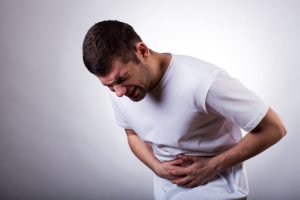
Typically, food poisoning is an illness caused by eating contaminated food. According to the NHS, it is often not serious, and most people recover within a matter of days. Food poisoning is the result of food contaminated by bacteria or a virus, such as:
The recommended course of action is bed rest and drinking plenty of water with only small and light meals with simple ingredients. Alcohol and caffeine should be avoided.
Here are some common food poisoning symptoms:
The NHS also states that food poisoning symptoms start within a few days of eating the contaminated food, or they can be triggered between a few hours and a few weeks later.
Always seek professional medical attention if you feel unwell after eating or drinking anything. Whilst most people recover, severe cases of E. coli, Listeria, and Salmonella food poisoning can be fatal if left untreated. Call to see if you can start a claim for illness.
Under the Occupiers’ Liability Act 1957, anyone providing a service must implement all reasonable and practicable actions to prevent the public from suffering harm whilst lawfully using their facilities and services. This includes the careful and correct supply of food and drink to the public.
The Food Standards Act 1999 and the Food Standards Agency (FSA) regulate food safety and hygiene standards in England, Wales and Northern Ireland. They ensure that the food outlet responsible for the preparation, storage, transportation and packaging of food understands their responsibilities.
Also, food suppliers must meet standards designed to protect consumers and allow them to make the best decisions possible about what they eat in supermarkets, restaurants and food outlets. These agencies can take action against those who fail to meet these standards regarding food.
4.8Yes. You could still have a valid claim for food poisoning compensation if you can prove the link between illness and what you were given to eat in the hotel, resort or B&B. Below you will see a list of the sorts of evidence that can support a food poisoning compensation claim against a third party like this.
However, if you’d prefer to discuss your potential claim in person, please reach out to advisors by phone, email or ask a question in the box at the bottom of this screen.
Certain types of package holidays have an obligation to vouch for the safety of all services included as part of the agreement with the customer and ensure everything meets the correct standards. The Package Travel and Linked Travel Arrangements Act 2018 details these obligations.
So, with evidence that the food provided as part of your foreign holiday deal was below acceptable standards (and directly caused your illness), a claim could still apply for food poisoning abroad.
Different countries might have differing standards of food safety. To be sure about the eligibility of your claim, start by speaking to our advisors. They could connect you to one of our solicitors who is experienced in navigating the sometimes complex personal injury claims process in other countries.
Food poisoning is often caused by the following:
For direct guidance on your food poisoning compensation claim, reach out to our advisory team for more.
Whilst celebrating her birthday at a newly opened restaurant, Mrs Kenner was served an undercooked beef burger. A severe E. coli infection ensued, and symptoms developed rapidly. This led to debilitating abdominal cramps, diarrhoea, vomiting, and severe dehydration.
Due to the high fever and the physical toll of the food poisoning, Mrs Kenner was unable to work for over 3 weeks. To add to this financial strain, she also needed to pay out of pocket for prescriptions, travel to medical appointments, and counselling to manage anxiety about eating out.
Mrs Kenner decided to pursue a claim with the help of a personal injury solicitor, who obtained evidence that the restaurant failed to provide food hygiene training to kitchen staff. The restaurant acknowledged liability and settled for £18,640, comprising:
This is an example case study*, but you can discuss your personal experience with food poisoning with one of our advisors today.
Food poisoning compensation claims need to show that you were provided with sub-standard food, which made you ill. To that end, try to assemble as much of the following as you can:
Our solicitors could help you compile evidence to use in your food poisoning compensation claim. Why not call advisors now to see if they could direct you to excellent legal representation for your claim?

Our solicitors could help you through the entire food poisoning claims process. If eligible, you can access excellent legal help like the following:
What’s more, these outstanding services can be provided under a Conditional Fee Agreement (CFA). This is a type of No Win No Fee agreement, under which the client can usually expect the following:
If you suffered food poisoning because of the negligence of those responsible for food safety, find out what you could be owed in compensation.

For more information on claiming for food poisoning compensation, please see some common questions and answers below. Please don’t hesitate to contact our team if you would like additional guidance on the food poisoning claims process.
The amount of compensation you could get for food poisoning will depend on the severity of the illness, the overall impact on your life, and whether there are any related financial losses.
You can prove a food poisoning claim by retaining or photographing packaging, menus, leftover food (if safe to do so), or receipts showing the purchase. In addition, your medical records can confirm the presence of Salmonella, E. coli, or another illness and its impact on you.
Yes, you could be compensated for food poisoning if you can demonstrate that a restaurant, café, supermarket, or another responsible third party caused you harm by providing food that was unsafe for consumption.
You may be able to get money back from a restaurant for food poisoning as part of your personal injury compensation if you can prove that the illness developed as a result of the establishment’s negligent conduct.
For further questions about food poisoning compensation, please get in touch with one of our friendly advisors today.
As well as this guide on food poisoning compensation claims, these other resources from our site may be useful:
Some external resources to help:
In conclusion, thank you for your interest in our food poisoning compensation guide and *illustrative case study. Advisors are standing by to help with any other questions or concerns you might have about food poisoning compensation amounts and starting a claim.